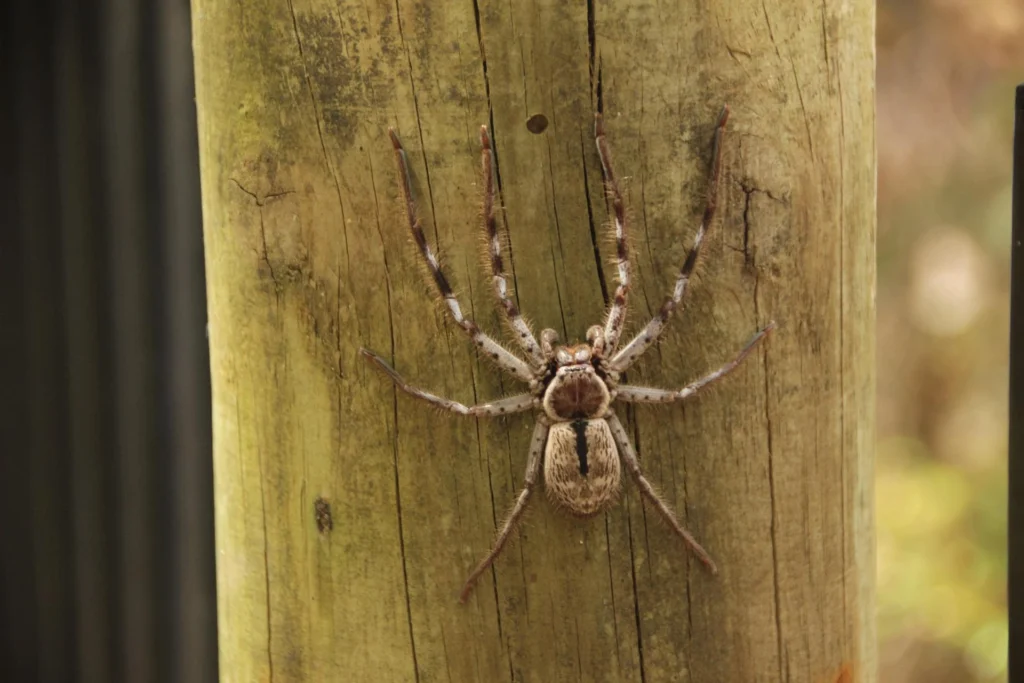
Externally – Black House Spiders create unsightly webs around your guttering, downpipes, windows, fences, under eaves, and doors. Smaller spiders create webs on your clothesline and can crawl into your clothes. Red Back Spiders create webs under outdoor furniture, plant pots, in between stored goods such as pavers, bricks, or boxes in garages.
Internally – Daddy Long Leg Spiders like to hide in cornices, tops of cupboards, and inside cupboards. Small spiders (money spiders) like to also make tiny webs and hide along your ceiling cornice and behind/under furniture. If the external spider activity is high then you will start to see Black House Spiders inside as well around windows and doors.
If spiders are building up outside and making their way inside and it’s causing distress, or you are at risk of being bitten it’s time to give the experts at Pixel Pest Control a call. Webs can make your home look untidy and if you have a large garden or shrubbery spiders can build webs between these that you may walk through. Just remember that if pests are undesirable and overstepping their welcome just give Pixel a call.
After an initial site inspection for safety and discussing problem areas with the homeowner, we then outline a treatment plan, some of this is also discussed over the phone prior to our service. Common treatments for webbing spiders consists of a low-medium pressure, low odour, insecticide treatment using a fan-jet style nozzle, of targeted problem areas. Pixel Pest Control also incorporates a Integrated Pest Management (IPM) approach and utilises spray equipment to reach most high areas e.g. eaves and windows of a 2-3 storey or split level domestic home.
Exterior: Under eaves, guttering, downpipes, cracks in brickwork, under handrails and furniture, small-medium garden sheds, retaining walls, clothesline, around windows, doors, wheelie bins, and letterboxes. Fences are also treated (if safe to do so) making sure to get up in all the voids (especially in a colourbond fences) where spiders might be hiding.
Interior: For Spiders internally we target them directly that are along cornices, in cupboards, around windows and doors, behind and under furniture. We also use dust inside door voids, wall voids. From our experience if the exterior webbing spider activity is treated, this then reduces the activity inside the home!. Pixel Pest Control recommends an Exterior and Interior treatment for webbing spiders whenever they become a problem for best results.
Most importantly we ask the client to NOT broom down webs before our arrival. This helps us identify where the majority of the issues are, allows for spiders who may be hiding during the treatment to come out into the web and come in contact with the treatment. Home owners will need to close all doors and windows, remove any washing on the clothesline, remove pet food bowls, cover any fish tanks for fish ponds with a tarpaulin, cover bbq and remove any food utensils from outside. Pixel Pest Control follows all insecticide label requirements and you need to vacate the home for 2-3 hours, although we discuss our preparation requirements prior to any treatment for the safety of our clients and staff. Please take note of our Common practises below.
Generally the treatment takes approx 1-2 hours to complete inside and out depending on the home size.
It may take upto 10 days before all spiders have come into contact with treatment. Leaving the spider webs up during this time after treatment helps to treat any spiders hiding during initial treatment. Pixel Pest Control recommends the spider webs be broomed down 14 days after the treatment, this helps to identify any new active spiders/webs and reduces the risk of unnecessary callbacks from existing spider webs which are non active. At request we can complete this task for you at a discounted rate if incorporated with a webbing spider treatment.
Externally – Black House Spiders create unsightly webs around your guttering, downpipes, windows, fences, under eaves, and doors. Smaller spiders create webs on your clothesline and can crawl into your clothes. Red Back Spiders create webs under outdoor furniture, plant pots, in between stored goods such as pavers, bricks, or boxes in garages.
Internally – Daddy Long Leg Spiders like to hide in cornices, tops of cupboards, and inside cupboards. Small spiders (money spiders) like to also make tiny webs and hide along your ceiling cornice and behind/under furniture. If the external spider activity is high then you will start to see Black House Spiders inside as well around windows and doors.
If spiders are building up outside and making their way inside and it’s causing distress, or you are at risk of being bitten it’s time to give the experts at Pixel Pest Control a call. Webs can make your home look untidy and if you have a large garden or shrubbery spiders can build webs between these that you may walk through. Just remember that if pests are undesirable and overstepping their welcome just give Pixel a call.
After an initial site inspection for safety and discussing problem areas with the homeowner, we then outline a treatment plan, some of this is also discussed over the phone prior to our service. Common treatments for webbing spiders consists of a low-medium pressure, low odour, insecticide treatment using a fan-jet style nozzle, of targeted problem areas. Pixel Pest Control also incorporates a Integrated Pest Management (IPM) approach and utilises spray equipment to reach most high areas e.g. eaves and windows of a 2-3 storey or split level domestic home.
Exterior: Under eaves, guttering, downpipes, cracks in brickwork, under handrails and furniture, small-medium garden sheds, retaining walls, clothesline, around windows, doors, wheelie bins, and letterboxes. Fences are also treated (if safe to do so) making sure to get up in all the voids (especially in a colourbond fences) where spiders might be hiding.
Interior: For Spiders internally we target them directly that are along cornices, in cupboards, around windows and doors, behind and under furniture. We also use dust inside door voids, wall voids. From our experience if the exterior webbing spider activity is treated, this then reduces the activity inside the home!. Pixel Pest Control recommends an Exterior and Interior treatment for webbing spiders whenever they become a problem for best results.
Most importantly we ask the client to NOT broom down webs before our arrival. This helps us identify where the majority of the issues are, allows for spiders who may be hiding during the treatment to come out into the web and come in contact with the treatment. Home owners will need to close all doors and windows, remove any washing on the clothesline, remove pet food bowls, cover any fish tanks for fish ponds with a tarpaulin, cover bbq and remove any food utensils from outside. Pixel Pest Control follows all insecticide label requirements and you need to vacate the home for 2-3 hours, although we discuss our preparation requirements prior to any treatment for the safety of our clients and staff. Please take note of our Common practises below.
Generally the treatment takes approx 1-2 hours to complete inside and out depending on the home size.
It may take upto 10 days before all spiders have come into contact with treatment. Leaving the spider webs up during this time after treatment helps to treat any spiders hiding during initial treatment. Pixel Pest Control recommends the spider webs be broomed down 14 days after the treatment, this helps to identify any new active spiders/webs and reduces the risk of unnecessary callbacks from existing spider webs which are non active. At request we can complete this task for you at a discounted rate if incorporated with a webbing spider treatment.
It may take upto 10 days before all spiders have come into contact with treatment. Leaving the spider webs up during this time after treatment helps to treat any spiders hiding during initial treatment. Pixel Pest Control recommends the spider webs be broomed down 14 days after the treatment, this helps to identify any new active spiders/webs and reduces the risk of unnecessary callbacks from existing spider webs which are non active. At request we can complete this task for you at a discounted rate if incorporated with a webbing spider treatment.
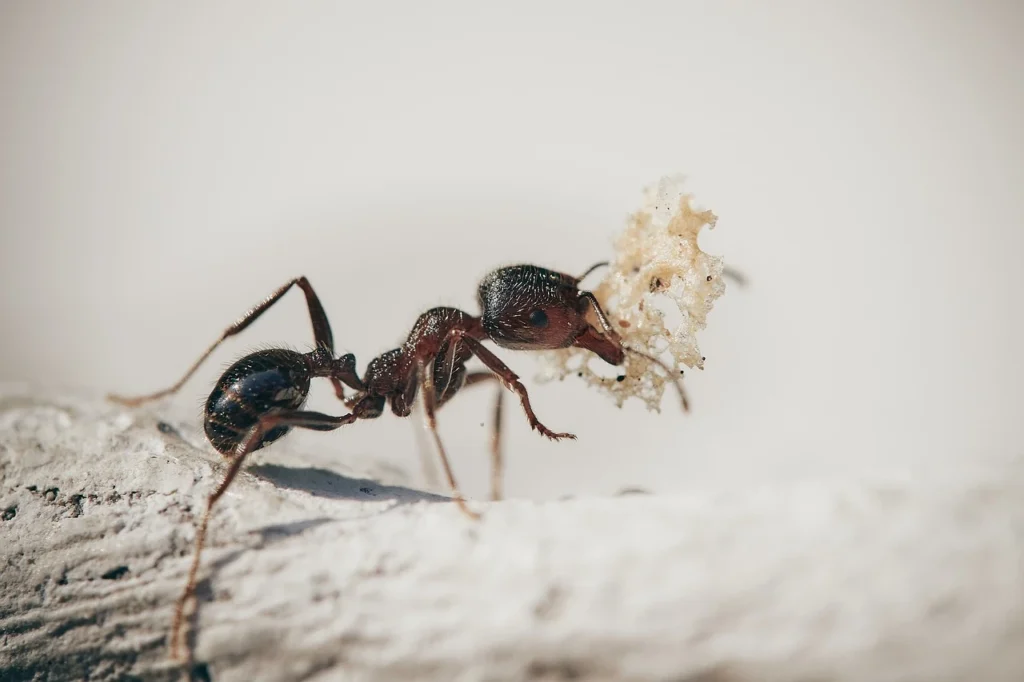
Internally – Often you will see Black Ants track around the wet areas of your home, suchs as kitchen, laundry or bathroom looking for moisture or food. In the kitchen they are attracted to sugary or fatty foods such as honey, jams or syrups depending on the species of ants. Make sure these foods are stored in an airtight container. Any spills or drips of food such as honey should be cleaned up to prevent an incentive for ants to enter your home.
Ants outside your home can be found in garden beds, in your lawn areas, along the edging of paths & driveways. Most external ants we see are more of a nuisance ant rathan than a harmful ant. They dig up dirt in gardens, between pavers & driveways and generally make a mess. Some ants can bite like the common Green Ant and cause a sharp burning sensation which can last anywhere from 5 minutes to 2 hours. Although the bite is unpleasant, their venom is harmless.
If you notice Ants tracking in and around your home, causing a mess, or just being a pest then its a good idea to call Pixel Pest Control. Just remember that if pests are undesirable and overstepping their welcome just give Pixel a call.
Ants tend to be a nuisance more than a destructive pest. They make soil mounds in and around path edging and gardens. They can nest inside/under insulation, the roof space area, and around doors and windows. This can cause falling debris/nesting material to drop from downlights or ceiling vents creating a mess. Ants sometimes nest behind electrical power points or even inside electrical equipment e.g. hot water services which can cause damage or even a fire!.
Depending on the location or species of ants, there are a number of treatment options available. This includes surface treatments along path, driveway, and garden edging, gel baits & granular baits in locations or activity. Treatment options are assets after an initial service visit and/or discussed over the phone. The more information you can provide to us in relation to the ants and where they are activity causing a problem will result in a more successful treatment.
Treatment of ants does not require a lot of preparation prior to treatment from the homeowner. This is because most ant treatments are localised in areas of concern, nests we need to treat directly are normally in areas out of reach of human interaction e.g. kids coming into contact with treatment zones, and the treatments are normally down low along path edging limiting and problems with spray drift ect… We do ask if loose items around the yard/garden areas be moved, although this is mostly to provide better access which allows for a larger treatment area.
This treatment can take up to 1-2 hours depending on the size of the home.
After the initial treatment you should see a large reduction in numbers. Some baits such as gel or granular are dependent on the ants tracking to the bait and taking it back to the nest for nest elimination. Depending on the species of ant and the treatment/s required reduction in activity could sometimes take upto 14 days. Feedback for our clients is that after our service they have not seen an ant for the entire spring/summer period which is the best time of year!.
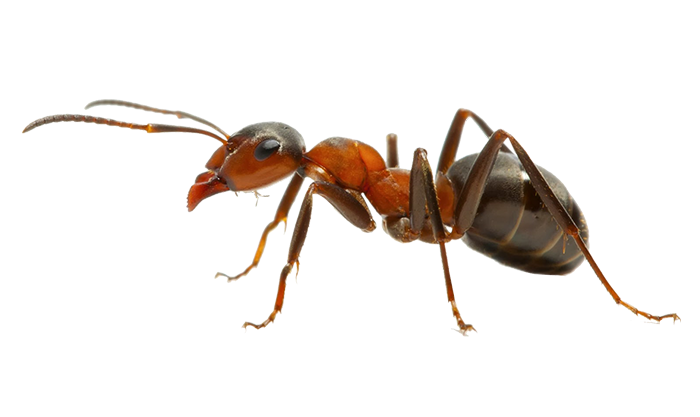
At night you might start hearing things in the roof space/walls are moving, scratching, gnawing or thumping around in your ceiling!. Stored goods may be chewed through or food stuffs in the kitchen left out overnight have been eaten. You may even see a cheeky mouse sneaking through your home or garage. Droppings are also a good indication you may have an issue, which tend to show up in garage areas, garden sheds, or in kitchen/wet area cupboards.
If you hear things moving around in your roof space/walls especially at night its best to call Pixel Pest Control to inspect your home. If rodents are left to do their thing then the situation/activity could increase very fast. In the case of mice they have a gestation period of 19 to 21 days. A female mouse gets pregnant about 5 to 10 times each year and can give birth to a litter of 3 to 14 pups. That’s a lot of activity to have in your home!.
Rodents can cause extensive damage when chewing/gnawing on items in the roof space/wall e.g. roof truss timbers, electrical wiring, plumbing, insulation, sarking, and store items. They also urinate and drop feces frequently which can contaminate anything they come into contact with which is a health risk to you and the family. Rodents collect loose materials or damage items to use for nesting sites, they often damage insulation in walls and roof space areas to nest inside of. Out of all the pests we control, rodents by far can cause the most damage.
Pixel Pest Control would need to complete a site inspection, and gather information from the client. The inspection and information gathering helps us to devise a rodent management plan that is specific to your home/rodent infestation. We incorporate a Integrated Pest Management (IPM) approach which may include but not limited to sealing entry point areas, changing the environment to be less desirable to rodents, tracking dusts to track activity, live traps, and lockable rodent bait stations. We recommend at least 1x follow up visit in any rodent management plan which is included in our initial service cost, in extreme cases we may need to monitor/control the infestation over the period of 6-12 months.
We don’t need preparation for rodent management, we need to see where rodents have been active so its advised not to clean up and evidence that has been left behind. In some rare circumstances we may need access to inaccessible areas or items moved, although we communicate this with our clients.
Inspecting your home and implementing the initial stages of a rodent management plan takes approx 1-2 hours. You don’t need to be away from the property for this service and any Lockable Rodent Bait stations required are safe for pets, native animals such as possums, and your family.
Depending on the management plan/service required this can be anywhere from 7-14 days. Lockable Rodent Bait stations are installed in locations where rodents have been identified to track. It may take 2-4 days before baits have been consumed or rodents have been caught inside live traps.
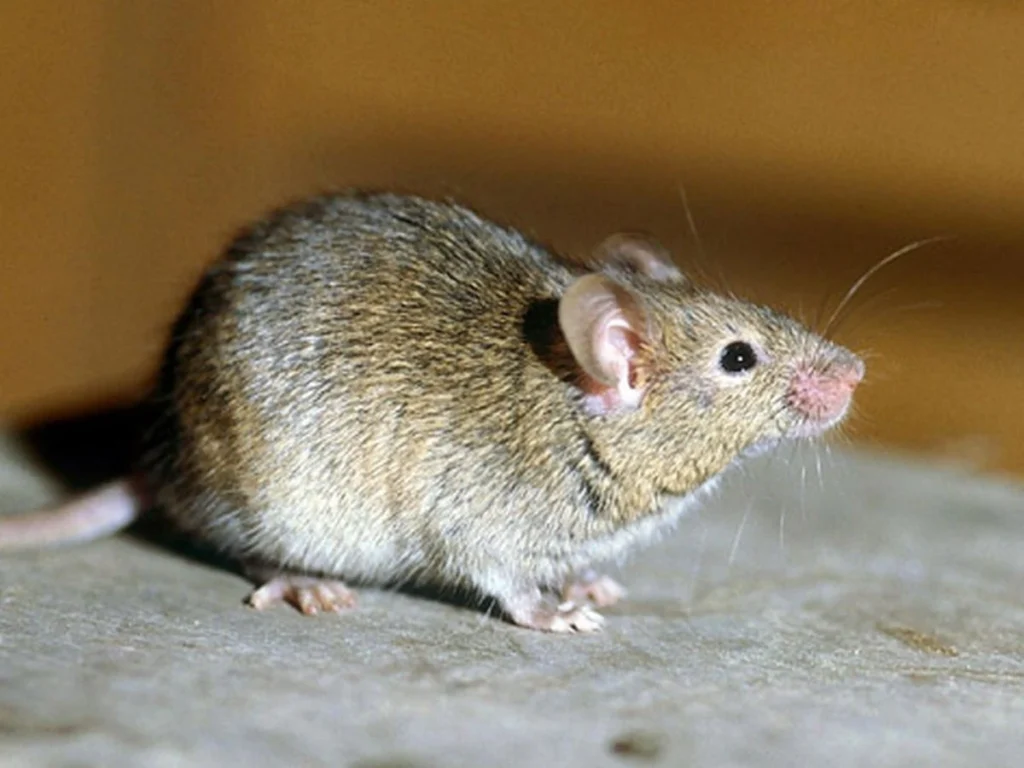
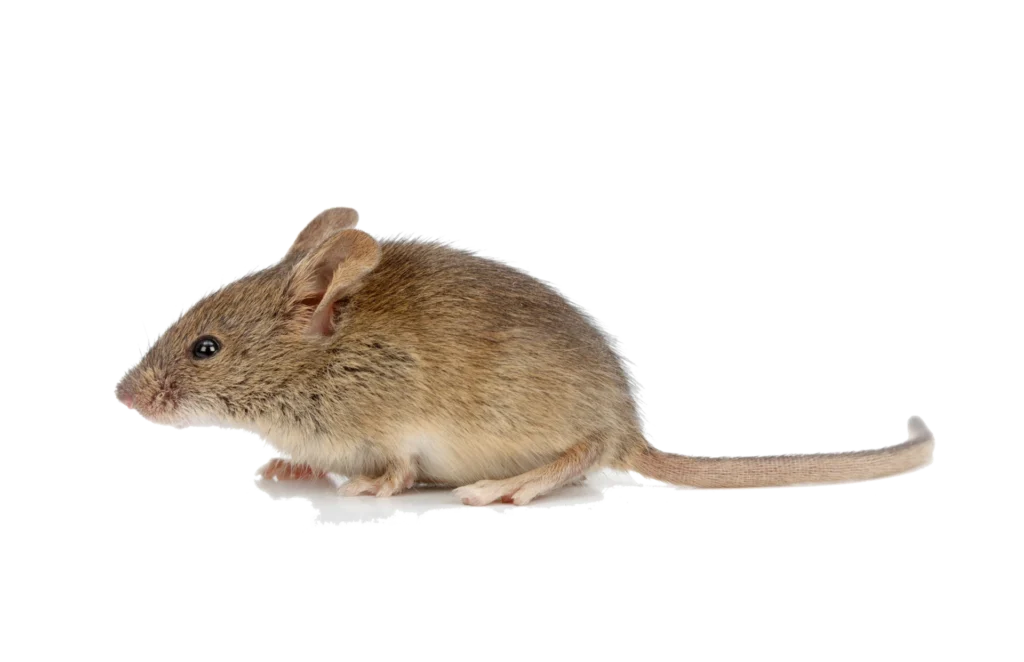
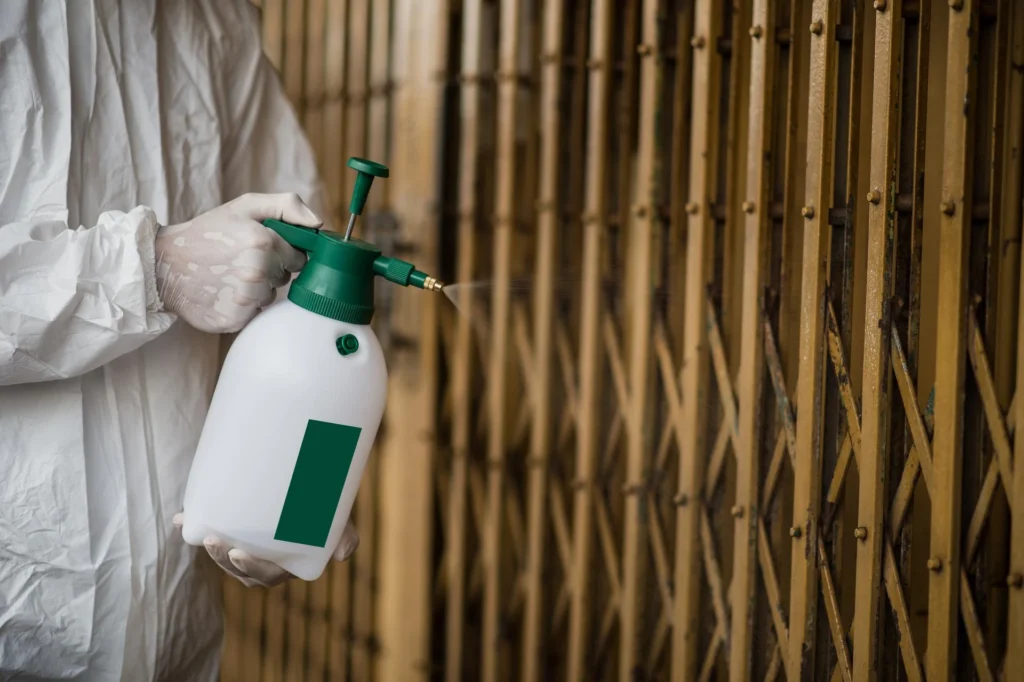
Signs of pests in commercial spaces include sightings of insects or rodents, droppings in storage or staff areas, damage to packaging, or unusual odours. In food or hospitality businesses, signs may also include gnawed stock, live or dead insects in kitchens or prep zones, and complaints from customers or staff
If you’re running a business and notice any signs of pests or simply want peace of mind call Pixel Pest Control for a professional inspection. Pest infestations in commercial environments can damage stock, harm reputation, and violate health regulations.
Pixel Pest Control tailors pest management programs to suit each business. Treatments may include exterior and interior surface sprays, rodent baiting stations, insect growth regulators, and regular monitoring visits. We utilise an Integrated Pest Management (IPM) approach and ensure treatments are discreet and compliant with industry regulations.
Before our visit, we recommend clearing affected areas of loose items and notifying staff of treatment schedules. We provide a detailed preparation checklist in advance depending on the pest type and business type (e.g., food handling vs. retail). In most cases, there is no need to shut down operations.
Most commercial treatments are completed within 1–2 hours depending on the site size. Larger or multi-building premises may take longer.
You should notice a reduction in activity within a few days, depending on the pests treated. Regular monitoring and follow-up visits ensure ongoing protection.
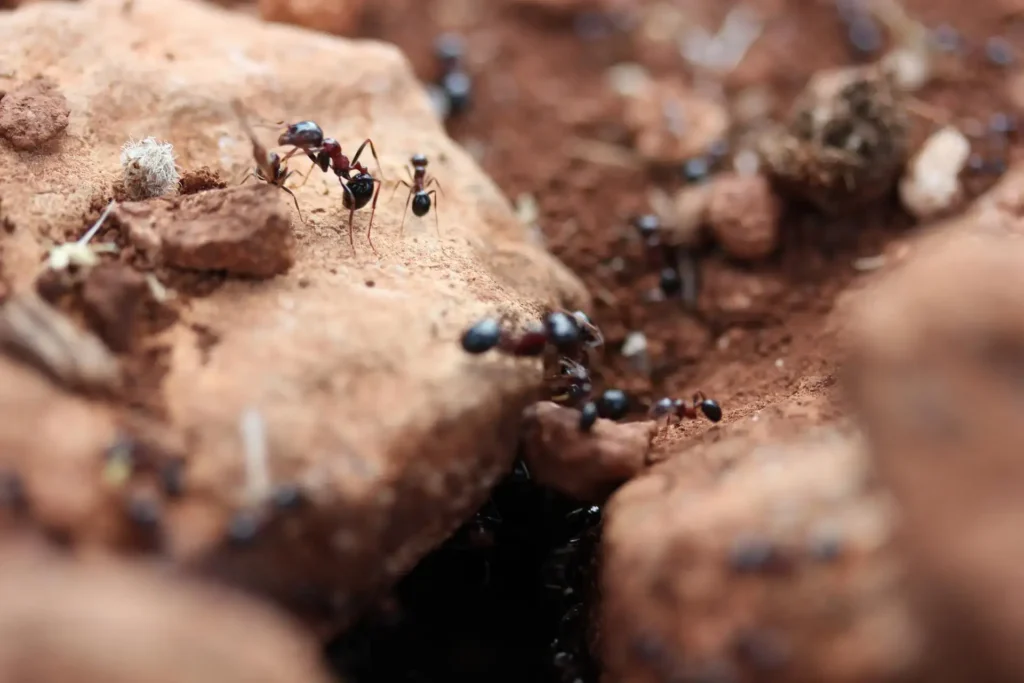
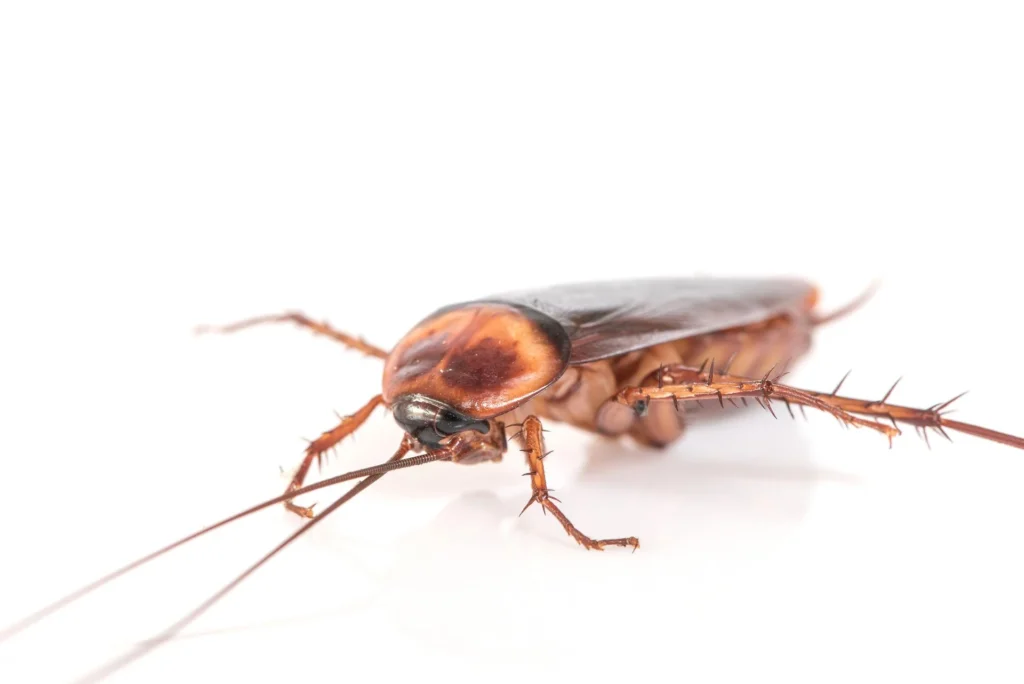
Signs include pests such as ants, spiders, cockroaches, or silverfish being seen inside or around your home. Droppings, webbing, insect wings, or damage to food packaging are also indicators.
If pests are consistently being seen or causing concern, it’s a good time to call Pixel Pest Control. General pest problems can escalate quickly without proper treatment.
Our General Pest Control service includes a combination of surface spraying, dusting into wall voids, baiting (where applicable), and targeted treatment of problem zones such as kitchens, bathrooms, garages, and exterior walls. We use low-odour, safe products and an IPM approach.
We ask clients to remove food items from benches, cover fish tanks, move pet bowls, and clear access to skirting boards and key pest areas. For best results, clean the property beforehand and close windows before our arrival.
Usually 1–2 hours depending on the property size and extent of the issue.
Most pests will start disappearing within 7–10 days. Some species may require up to 14 days. Pixel Pest Control provides follow-up advice or re-treatment if the issue persists.
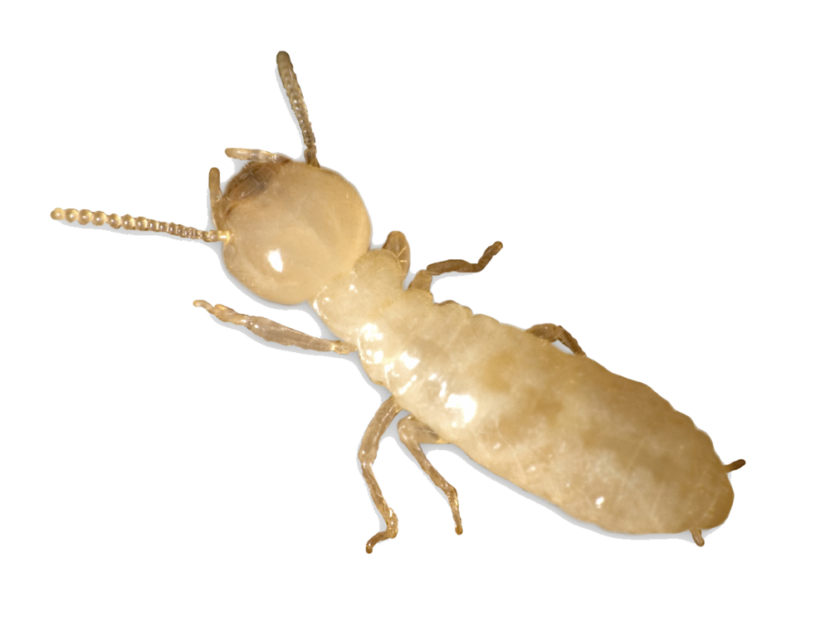
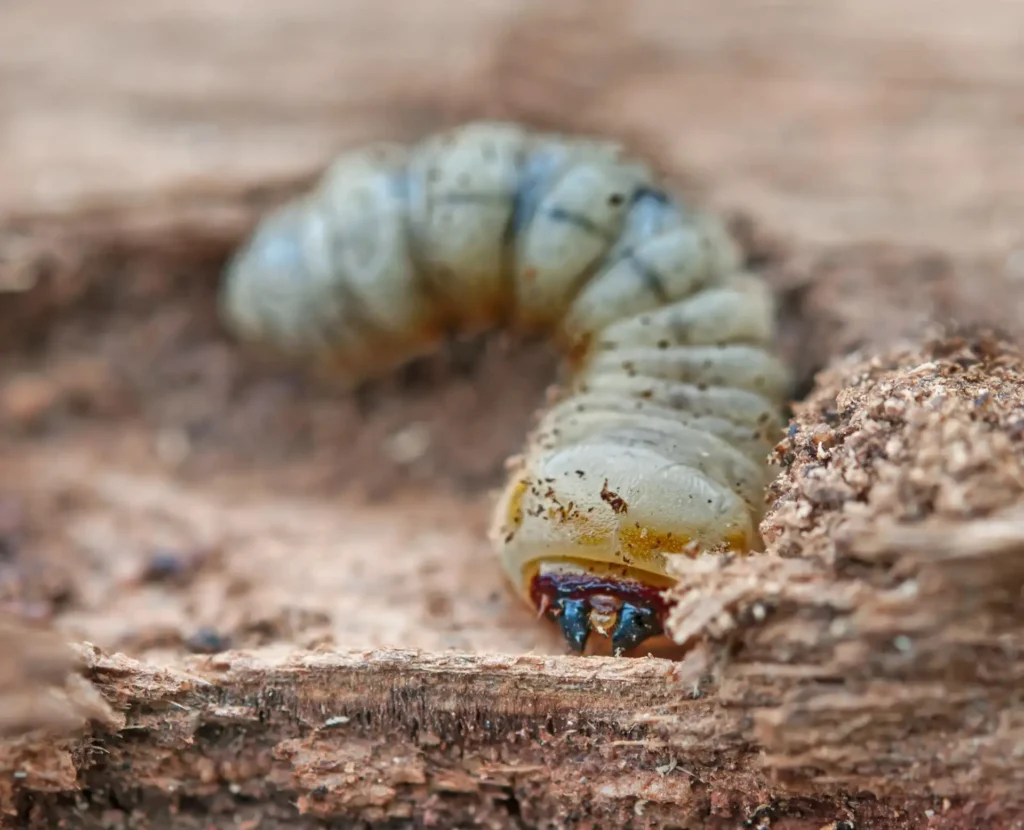
Signs of timber pest activity, especially termites or wood borers, include hollow-sounding timber, sagging floors, blistering paint, mud tubes along walls or foundations, discarded wings, and frass (fine wood dust). Termite damage often goes unnoticed until it becomes extensive. In some cases, fungal decay or wood rot may also be present due to moisture issues. A professional inspection is the only way to be certain whether timber pests are present and what damage they’ve caused.
We recommend annual timber pest inspections for all properties, and immediate inspection if you notice any of the warning signs above. If you’re buying or selling a property, it’s also essential to have a pre-purchase timber pest inspection. Even newer homes can be vulnerable, especially in high-risk areas or regions with a history of termite activity.
Pixel Pest Control offers comprehensive timber pest management services including termite inspections, termite barriers (physical and chemical), timber replacement advice, and monitoring systems. We use Termidor, Premise, and other trusted chemical products depending on the site and infestation level. For wood borers or decay fungi, we use targeted wood treatments and environmental modifications to halt further spread.
Ensure we have access to all subfloor areas, roof voids, garages, sheds, and around the perimeter of your home. If furniture or stored items are against walls, please move them to allow a full inspection. After identifying the problem, we’ll provide a specific preparation guide for any required chemical treatments or installations.
Inspections usually take 1–2 hours. Treatments, such as applying a termite barrier or setting up monitoring systems, can take anywhere from a few hours to a full day, depending on the property’s size and treatment method.
Termite treatments can start working within hours, but complete colony elimination may take several weeks. Long-term protection is achieved through ongoing monitoring and maintenance, and we provide post-treatment reports and recommendations to safeguard your property.

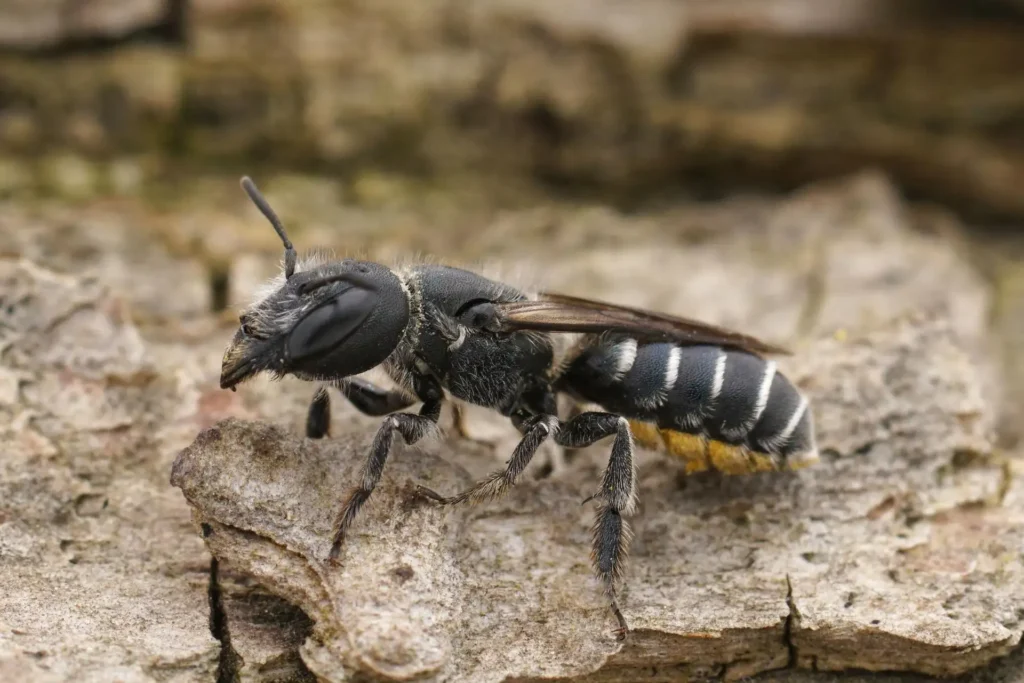
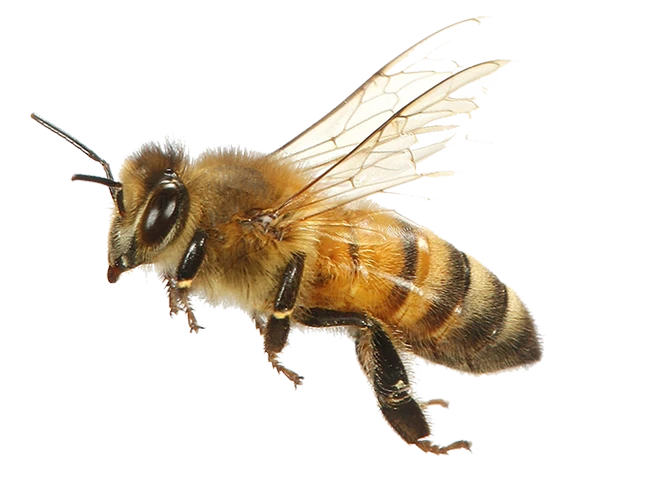
Wasp activity becomes noticeable during warmer months when they are building nests. Signs include wasps flying in and out of specific locations like eaves, wall cavities, garden sheds, or trees. You might see the nest itself—a papery structure—attached to walls, fences, or vegetation. Wasps are highly territorial and may become aggressive if disturbed, making it unsafe to approach the nest.
If you’ve found a nest or noticed frequent wasp activity around your home or business, it’s best to call a professional right away. Wasps can sting multiple times and are a particular danger to children, pets, and anyone with allergies. DIY removal attempts often result in multiple stings and may not fully destroy the nest.
Pixel Pest Control uses industry-grade insecticide dusts and sprays specifically formulated for wasp nests. Our technicians wear protective gear and apply the treatment directly into the nest or entry point to ensure rapid knockdown of the colony. We can treat both accessible and hard-to-reach nests, including those in roof voids or wall cavities.
You don’t need to do much—just keep pets and people away from the area. Avoid agitating the wasps before our technician arrives. If the nest is indoors or in a structure (like a garage or shed), please provide access and remove any valuables from the immediate area.
Most wasp treatments take 30 minutes to 1 hour. We aim to eliminate the colony in one visit, though extremely large or multiple nests may require follow-up treatment.
Wasp activity will drop almost immediately after treatment. Within 24 hours, the nest should be inactive. We advise leaving the treated nest in place for a few days to ensure all returning wasps meet the insecticide.
Signs of a termite problem include visible mud tubes, timber that sounds hollow when tapped, sagging floors, tight-fitting doors or windows, and discarded termite wings. However, termites are often invisible and cause damage for months before being detected. The Exterra Termite Baiting System is a proactive solution designed to detect and eliminate colonies before they reach your home’s structure.
You should arrange for a termite inspection at least once a year or immediately if you suspect activity. If your home is in a high-risk area or has a history of termite damage, installing a system like Exterra can prevent costly repairs down the line.
We install the Exterra Termite Baiting System—an advanced, eco-friendly system that surrounds your property with strategically placed bait stations. When termites are detected in these stations, we replace the monitoring cartridges with a non-toxic bait that is carried back to the colony. Over time, the colony is eliminated. It’s a low-impact, safe method that doesn’t require drilling into floors or treating large areas with liquid chemicals.
We require clear access to the exterior of your property and any garden beds or soil around the perimeter. In some cases, we may need to prune overgrown shrubs or remove stored items obstructing bait placement. No chemical preparation is needed by the homeowner.
Installation of the Exterra system typically takes 2–4 hours. Once active feeding is detected, regular follow-up visits are required every few weeks until the colony is eradicated, which usually takes 2–4 months depending on activity levels.
Colony elimination can take anywhere from several weeks to a few months, depending on the colony’s size and feeding rate. The system remains in place long-term to provide continuous monitoring and protection against future infestations.